Industrial HVAC & Process Cooling Systems

Industrial HVAC & Chiller Systems Supplier in Lahore, Pakistan
ZA Energy Systems Pvt Limited delivers complete industrial HVAC and process cooling solutions across Pakistan from single-floor commercial air conditioning systems to multi-thousand-tonne-of-refrigeration (TR) chilled water plants serving large-scale textile, pharmaceutical, food processing, and data centre facilities. With 9+ years of field engineering experience in Pakistan’s industrial HVAC sector and a dedicated team of HVAC design engineers and site technicians, we cover the complete project lifecycle: load calculation and system design, equipment selection and supply, installation and commissioning, and ongoing Annual Maintenance Contracts (AMC).
Pakistan’s harsh climate with peak design conditions of 47°C dry bulb / 28°C wet bulb in Lahore and near-100% summer humidity in coastal Karachi, places extreme thermal demands on industrial HVAC equipment. Every system we specify is designed for these conditions, ensuring equipment selected carries an adequate safety margin in its rated performance data and that condensers, cooling towers, and air-handling units are properly sized for real-world ambient conditions rather than European or North American design standards.
Industrial Chiller Systems
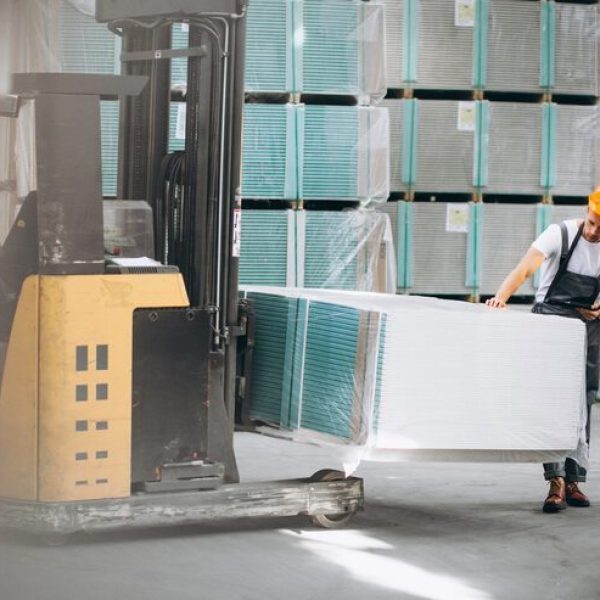
Air-cooled chillers are ideal for industrial and commercial facilities requiring efficient, water-saving cooling solutions. ZA Energy Systems supplies air-cooled screw and reciprocating chillers from 5 TR to 500 TR, with modular configurations up to 1000 TR, ensuring reliable performance, energy efficiency, and flexible installation for diverse industrial applications.
Water-Cooled Chillers Lahore
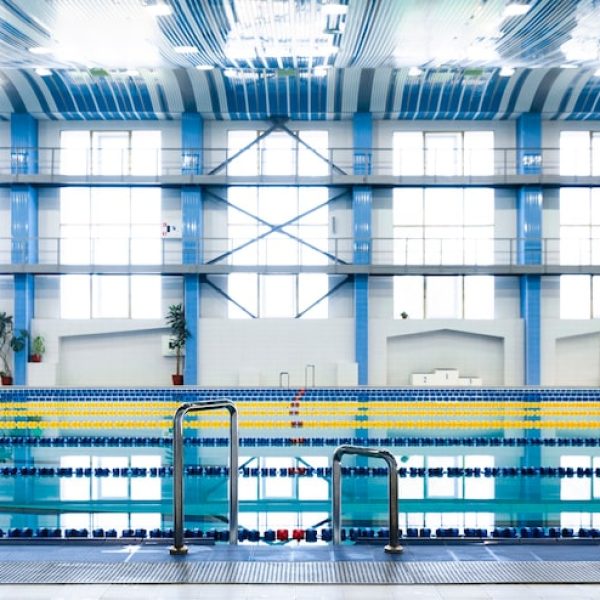
Water-cooled chillers provide high-efficiency cooling for large industrial facilities with reduced energy consumption. ZA Energy Systems supplies centrifugal and screw chiller systems, complete chilled water plant design, cooling towers, pump selection, piping, electrical integration, installation, and commissioning to deliver reliable, cost-effective cooling solutions across Pakistan.
Absorption Chillers Pakistan
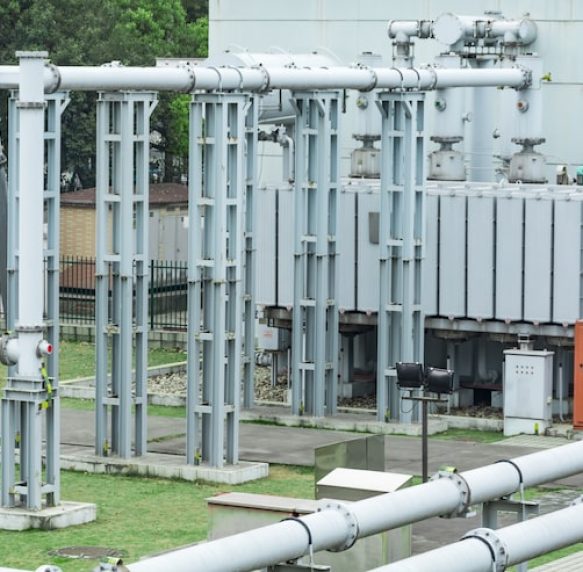
Absorption chillers use waste heat for efficient industrial cooling. ZA Energy Systems supplies single-effect and double-effect absorption chillers, offering system design, installation, and commissioning. Our solutions reduce electricity consumption while maximizing CHP and waste heat recovery efficiency.
Industrial HVAC Contractor Lahore
Scope of Work
ASHRAE Manual J/N compliant cooling load analysis; Equipment schedule preparation; Duct sizing and static pressure calculations; Chilled water distribution system hydraulic balancing
Scope of Work
Air-cooled and water-cooled chillers; Air Handling Units (AHU) draw-through and blow-through types; Fan Coil Units (FCU); Cooling towers; Chilled water pumps and condenser water pumps; Control valves and BMS integration components
Scope of Work
Mechanical installation of all HVAC equipment; Refrigerant piping copper, CPVC, and pre-insulated piping; Ductwork fabrication and installation; Electrical works and controls wiring; System flushing, leak testing, refrigerant charging; Commissioning and balancing (TAB Testing, Adjusting, and Balancing)
Scope of Work
Quarterly preventive maintenance visits; Monthly filter replacement; Annual refrigerant leak check and top-up; Cooling tower cleaning and water treatment; BMS trend analysis and energy benchmarking .
HVAC & Chiller Maintenance Protocols Pakistan Climate
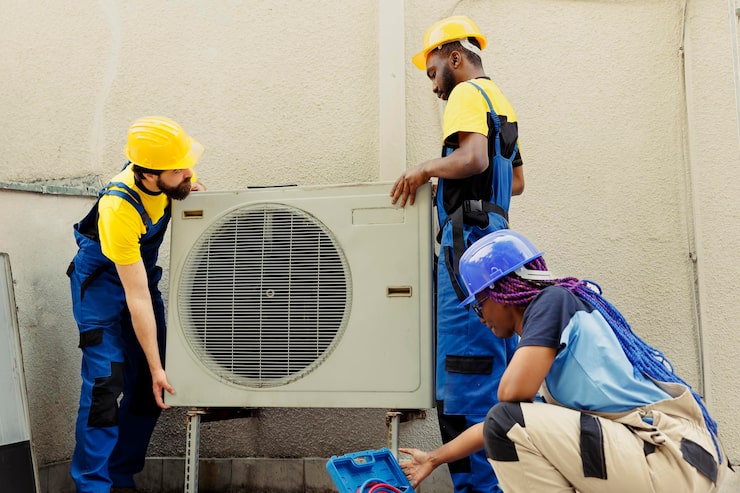
Pakistan’s harsh climate, dusty industrial environments, and power quality fluctuations demand regular HVAC maintenance for reliable performance. ZA Energy Systems provides preventive maintenance including condenser coil cleaning, cooling tower servicing, refrigerant leak detection, compressor inspection, electrical testing, and expansion valve optimization. Our maintenance programs are designed to improve energy efficiency, reduce unexpected breakdowns, extend equipment lifespan, and ensure uninterrupted cooling performance for industrial and commercial facilities throughout Pakistan. We also offer scheduled inspections, performance monitoring, genuine spare parts, and expert technical support to maximize system reliability and operational efficiency.
Frequently Asked Questions (FAQs)
HVAC load depends on multiple factors: occupancy density, process heat generation, building envelope, and location. For a typical Lahore industrial facility with moderate internal heat loads (lighting + occupants only, no process heat), a rule-of-thumb estimate is 400–500 sq ft per TR, giving 100–125 TR for 50,000 sq ft. However, for facilities with significant heat-generating processes (textile finishing, printing, food processing, pharmaceutical clean rooms), this can increase to 100–200 sq ft per TR. ZA Energy Systems conducts a complimentary ASHRAE-compliant cooling load calculation for all projects before equipment specification.
A chiller-based system produces chilled water (typically 7°C supply / 12°C return) that is circulated via insulated pipework to Air Handling Units (AHUs) or Fan Coil Units (FCUs) throughout a facility. This centralised approach offers major advantages for industrial B2B applications: single maintenance point, consistent temperature control across large spaces, energy efficiency through water-side economising, scalability through chiller staging, and longer equipment life (20–25 years for centrifugal chillers vs 8–12 years for split systems). For facilities above 50 TR, a chilled water system is almost always the correct engineering choice.
Timeline depends on system scale: A 100 TR packaged air-cooled chiller system with 4 AHUs typically takes 6–8 weeks (2 weeks civil + 3 weeks mechanical/piping + 1 week electrical and commissioning). A 1000 TR central chilled water plant with cooling towers requires 16–20 weeks. ZA Energy Systems provides a detailed project schedule (Gantt chart) at tender stage, with weekly progress reports during execution.
Yes. ZA Energy Systems conducts full HVAC energy audits including: chiller plant energy benchmarking (kW/TR measurement and comparison against design intent), cooling tower wet-bulb approach temperature measurement, chilled water delta-T analysis (a narrow delta-T below 4°C indicates low-flow coil bypass problems that increase energy consumption 15–25%), and BMS control sequence review. Most audits identify 15–30% energy savings opportunities that can be captured without capital expenditure through operational setpoint adjustments.